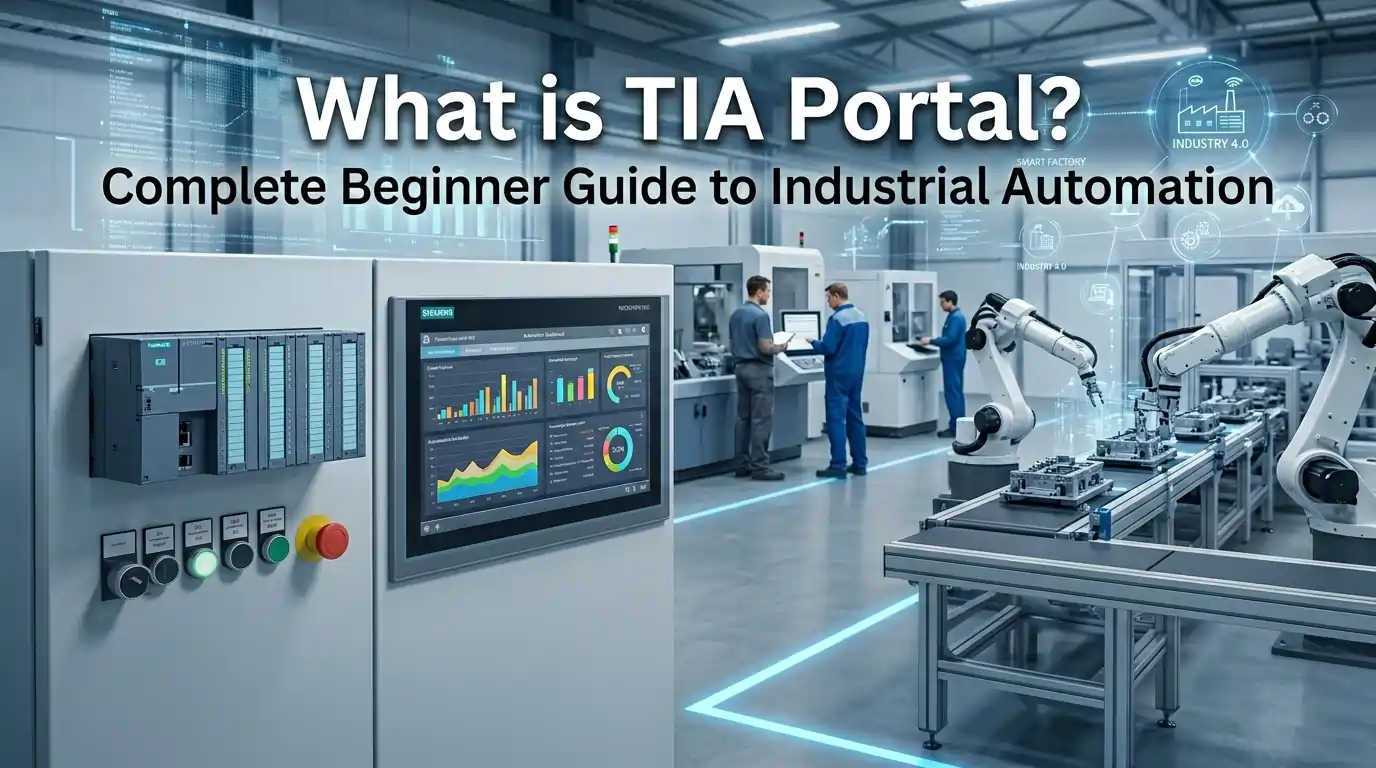
Energy Management with IoT has become a business necessity as industries modernize, transforming how factories, power plants, and utilities manage power consumption efficiently.
Through smart sensors, real-time analytics, and automated systems, IoT device management now allows industries to reduce wastage, monitor usage patterns, and make data-driven energy decisions. In regions like Bhopal, deploying a strong Energy Management System in Bhopal built on IoT and automation helps companies achieve measurable savings and sustainability.
What Is an IoT-Based Energy Management System?
An IoT-based Energy Management System (EMS) uses a network of connected devices to collect and analyze data from machinery, meters, and control units. These systems provide visibility into every energy point – from lighting and HVAC systems to heavy machinery.
By combining IoT device control, PLC integration, and SCADA in IoT, industries can automatically optimize power loads, detect anomalies, and minimize downtime.
Aknitech designs EMS solutions that allow operators to track performance from a central dashboard, integrating both IoT monitoring devices and automation panels for maximum reliability.
The Role of Smart Grids in Energy Management with IoT
Traditional power networks are being replaced by smart grids – intelligent systems that balance demand and supply in real time. Smart grids use IoT system management to exchange live data between consumers and power providers.
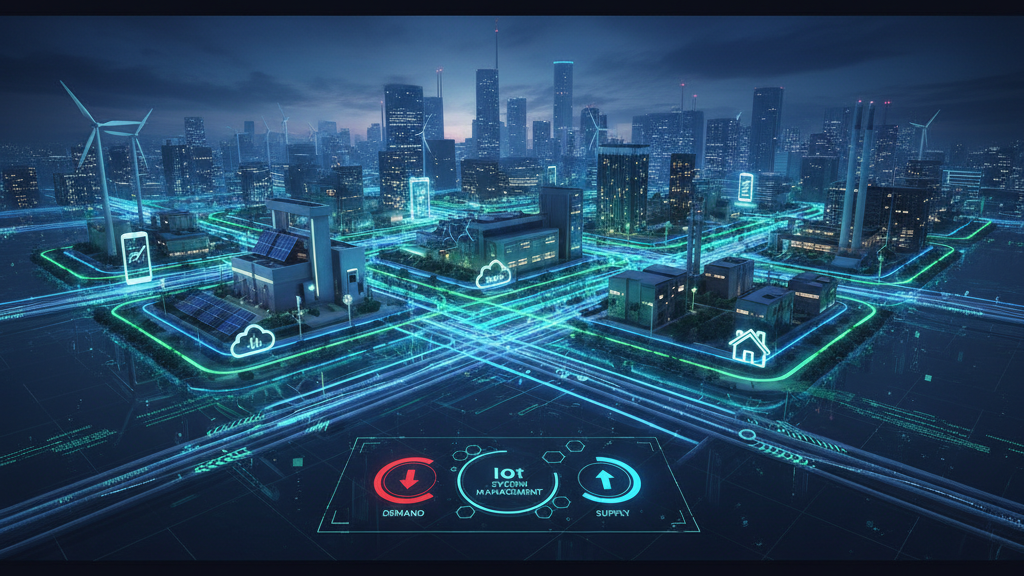
In industrial environments, this means energy is consumed where and when it’s truly needed. For instance, PLCs in manufacturing plants can coordinate with smart grid controllers to delay non-critical operations during peak hours, reducing cost and stabilizing the grid.
Such integration supports sustainable manufacturing and helps achieve India’s broader clean-energy goals by encouraging efficiency, reduced emissions, and renewable-source integration.
Key Industrial Benefits of Energy Management with IoT
A well-structured IoT-based EMS includes multiple components that work together seamlessly:
- Smart Sensors & IoT Monitoring Devices: Measure current, voltage, and temperature in real time.
- Programmable Logic Controllers (PLCs): Act as control units that process sensor data and execute commands for optimized energy flow.
- SCADA Systems: Provide remote monitoring, visualization, and control for energy infrastructure.
- IoT Configuration Management Tools: Ensure each connected device communicates securely and updates automatically.
- Access Control IoT Devices: Enhance security and restrict unauthorized operations, crucial for power-critical sites.
Together, these layers create a responsive ecosystem capable of managing energy across factories, data centers, and public utilities.
Industrial Benefits of IoT-Enabled Energy Management
Integrating IoT with automation delivers both operational and environmental advantages:
- Real-Time Energy Visibility – Identify usage trends and anomalies instantly.
- Cost Reduction – Automated control systems cut wastage and power bills.
- Predictive Maintenance – Equipment data helps forecast faults before breakdowns.
- Better Load Balancing – Smart grids distribute energy evenly across connected systems.
- Sustainability – Reduced carbon footprint and improved compliance with green regulations.
By applying process automation in Bhopal industries, Aknitech ensures these benefits translate into tangible performance improvements.
FAQs
Q1. How does IoT improve industrial energy management?
IoT connects machines, sensors, and controllers into one network, providing real-time insights that reduce wastage and improve efficiency. It enables automated load control and predictive maintenance for critical systems.
Q2. What role do PLCs and SCADA play in smart grids?
PLC integration handles local control within industrial machines, while SCADA in IoT provides centralized monitoring and analytics. Together, they form a complete automation framework for smart energy networks.
Shaping a Smarter, Greener Future
As industrial power demands grow, IoT-enabled energy systems will define the next generation of automation. From smart grids to connected control panels, every device plays a part in building more sustainable operations.
By merging intelligent IoT system management with robust automation hardware, Aknitech continues to lead industries toward a cleaner, connected, and energy-efficient future.
Key Industrial Benefits of Energy Management with IoT
As an industrial automation specialist, Aknitech develops solutions that combine PLC integration, IoT device management, and SCADA in IoT to create intelligent energy networks.
Our team designs scalable control panels and customized IoT frameworks that connect every device in the facility, enabling real-time monitoring, power optimization, and process transparency.
Whether it’s a manufacturing plant or a large infrastructure project, Aknitech’s Energy Management System in Bhopal empowers industries to achieve higher efficiency, lower operational costs, and improved sustainability.