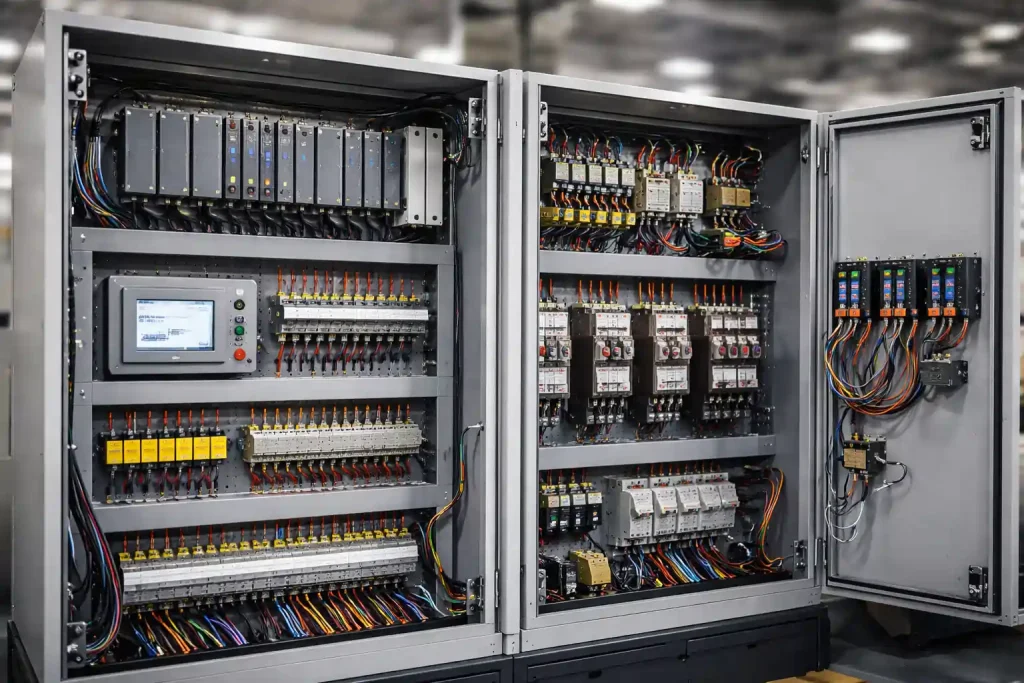
An Electrical Control Panel is an enclosure that houses electrical components used to control, monitor, and protect industrial machines and processes. In simple terms, a control panel in electrical engineering acts as the brain of any automation system. It typically includes circuit breakers, relays, PLCs, contactors, and structured wiring systems that ensure safe and efficient operations. An industrial electrical control panel helps manage power distribution, automate machinery, and prevent electrical faults. These control panels act as the central nervous system of factories, manufacturing plants, and modern automated systems.
In simple terms, a control panel manages how electrical equipment starts, stops, operates, and responds to signals. It ensures machines run safely, efficiently, and according to programmed logic.
What Is a Control Panel in Electrical Engineering?
An electrical control panel is a metal enclosure that contains electrical components used to control and manage machines and industrial processes. It acts as the central point where power is distributed and automation decisions are executed.
It performs three core functions:
- Control – Start, stop, and regulate machines
- Protection – Prevent overloads, short circuits, and faults
- Monitoring – Display system status and alerts
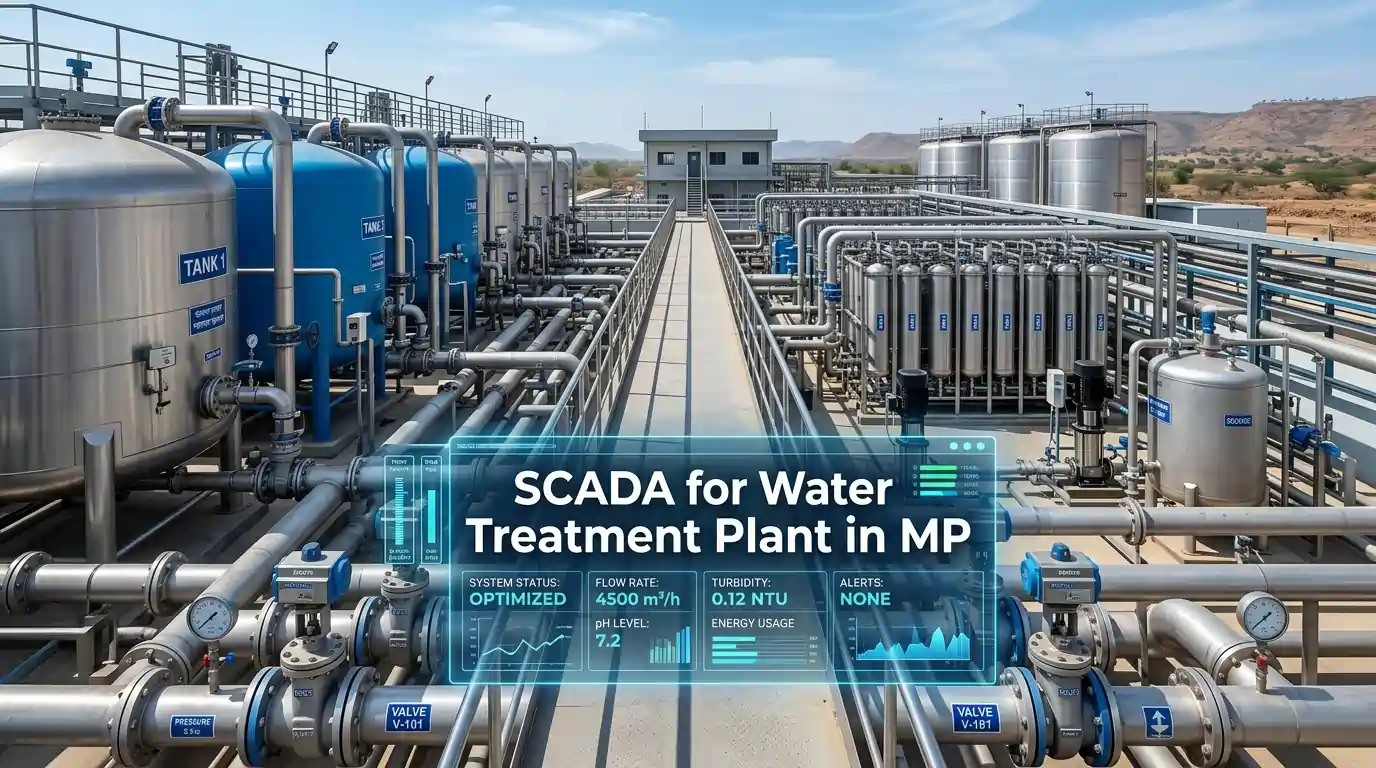
In industrial environments, control panels are essential for automation systems, manufacturing lines, HVAC systems, water treatment plants, and power distribution setups.
Many people confuse a control panel with a distribution board. A distribution board mainly distributes electricity. But a PLC control panel goes one step ahead – it makes decisions based on input signals and automates the process.
Modern panels are also integrated with:
- PLC automation panel systems
- SCADA control systems
- Energy Management Systems (EMS)
- Smart monitoring devices
Why Are Electrical Control Panels Important in Industry?
Electrical systems without proper control can become unsafe and inefficient. Control panels provide centralized management of electrical equipment. Imagine a factory running without a control system. Machines would start and stop randomly. Motors could overload. Power failures could damage expensive equipment. That’s why electrical panel boards are critical in every industry.
Why Industries Cannot Operate Without Control Panels
Industrial sectors depend on control panels because they:
- Maintain process stability
- Improve production efficiency
- Reduce downtime
- Ensure electrical safety
- Enable automation
Industries that rely heavily on industrial control panels include:
- Manufacturing plants
- Water treatment facilities
- Pharmaceutical industries
- Food processing units
- Power plants
- Textile factories
Without a proper motor control center (MCC panel) or power control center (PCC panel), managing heavy electrical loads becomes risky.
Benefits of Using a PLC Control Panel
A PLC control panel offers many advantages:
- Real-time monitoring of machines
- Reduced manual intervention
- Better energy efficiency
- Automatic fault detection
- Remote control via SCADA
When integrated with an energy management system, industries can track power consumption and reduce electricity costs.
In short, a well-designed switchgear panel improves safety, productivity, and profitability.
For example, in a manufacturing plant, a motor without a control panel may overheat or overload. A properly designed panel prevents such damage by integrating overload relays and protective devices.
Mini Summary: Control panels are critical for safe, automated, and reliable industrial operations.
Who Uses Electrical Control Panels?
Control panels are used across multiple industries where machinery or automation is involved.
Primary Users
- Manufacturing industries
Factories use control panels to automate production lines, manage conveyor systems, operate CNC machines, and control robotic arms. Panels help maintain consistent output, reduce downtime, and ensure worker safety. - Power generation plants
Power plants rely on control panels to regulate turbines, monitor voltage levels, and manage power distribution systems. They ensure stable electricity supply and protect equipment from overload or system faults. - Water treatment facilities
Control panels manage pumps, filtration units, chemical dosing systems, and water level monitoring. Automation ensures accurate treatment processes and reduces manual supervision. - Oil and gas sector
In this industry, control panels monitor pressure systems, control valves, and manage hazardous operations. They enhance safety by detecting abnormal conditions and triggering automatic shutdowns when required. - Food processing units
Food industries use control panels to maintain temperature control, packaging automation, mixing processes, and hygiene compliance. Precision control helps maintain product quality and safety standards. - Commercial buildings
Large buildings use control panels for HVAC systems, elevators, lighting control, fire safety systems, and backup power management. These panels ensure smooth building operations.
Professionals Involved
- Electrical engineers
They design control panel layouts, select appropriate components, and ensure compliance with electrical safety standards. - Automation engineers
These professionals program PLCs, configure control logic, and integrate sensors and actuators into automated systems. - Maintenance technicians
Technicians troubleshoot faults, replace damaged components, and perform routine inspections to maintain system reliability. - PLC programmers
They develop and optimize automation logic that controls machine behavior inside PLC-based panels. - Panel manufacturers
Manufacturers assemble, wire, test, and commission control panels according to project requirements and industry standards.
Small workshops use simple motor control panels, while large factories use advanced PLC and SCADA-based panels. If you are searching for a control panel manufacturer in India or a control panel supplier in Bhopal, make sure they provide design, installation, and maintenance services.
Professional PLC control panel design and installation services ensure safety compliance and long-term reliability.
Which Types of Electrical Control Panels Are Used?
Different applications require different types of control panels.
1. PLC Control Panel
A PLC (Programmable Logic Controller) control panel is designed to automate industrial processes using programmed logic. It receives input signals from sensors, processes them through the PLC, and sends output commands to motors, valves, or actuators.
2. Motor Control Center (MCC)
An MCC panel is used to control and protect multiple electric motors from a single centralized enclosure. It contains components such as contactors, overload relays, circuit breakers, and motor starters.
3. Power Control Panel (PCC)
A PCC panel manages and distributes electrical power within large facilities. It controls incoming power supply and distributes it to different sections of a plant or building.
4. Automation Control Panel
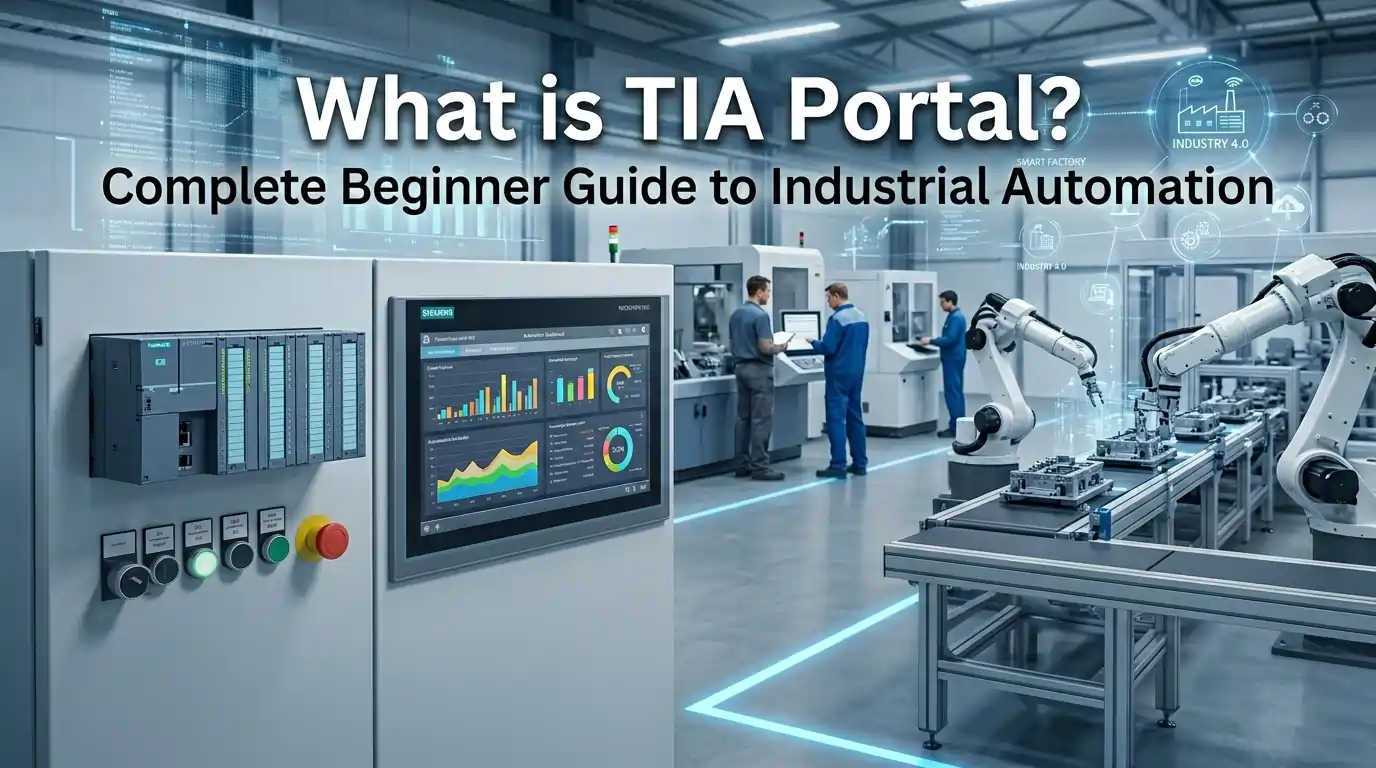
An automation control panel integrates multiple automation technologies such as PLC, HMI (Human Machine Interface), SCADA systems, drives, and sensors.
5. AMF (Auto Mains Failure) Panel
An AMF panel automatically switches the power source from the main electrical supply to a generator during a power failure. Once the main supply is restored, it switches back safely.
Comparison: PLC vs MCC vs PCC Panels
| Feature | PLC Panel | MCC Panel | PCC Panel |
| Main Purpose | Automation logic control | Motor control | Power distribution |
| Used In | Automated plants | Motor-driven systems | Large facilities |
| Includes PLC? | Yes | Optional | No |
| Complexity | High | Medium | Medium |
| Best For | Smart factories | Motor management | Power control systems |
Neutral Analysis: Each panel serves a distinct purpose. Selection depends on system requirements rather than preference.
How Does an Electrical Control Panel Work?
A control panel operates by receiving input signals and sending output commands.
Step-by-Step Working Process
- Power Input
Electricity enters the panel through the main supply. - Power Distribution
The PCC or switchgear panel distributes power to different sections. - Signal Input
Sensors send signals to the PLC. - PLC Processing
The PLC processes the data based on programmed logic. - Output Control
The PLC activates motors, pumps, or machines. - Monitoring
HMI or SCADA displays real-time data.
Example: In a conveyor system, when a sensor detects a product, the PLC triggers the motor to move it forward. The system runs continuously based on programmed logic.
Example: Control Panel in a Manufacturing Plant
Suppose a sensor detects low pressure in a system:
- Sensor sends signal to PLC
- PLC checks programmed limits
- Motor starts automatically
- HMI shows updated pressure reading
This automation reduces manual work and increases accuracy.
Mini Summary: Control panels convert electrical signals into controlled machine actions.
Key Components of an Electrical Control Panel
Control panels consist of multiple electrical and electronic components.
Core Components
- Circuit breakers
- Contactors
- Overload relays
- PLC (Programmable Logic Controller)
- HMI (Human Machine Interface)
- Power supply units
- Terminal blocks
- Wiring ducts
- Indicators and push buttons
Each component has a defined role. For example, contactors switch motors on and off, while relays protect against overload conditions.
Practical Explanation: Without overload relays, motors can burn out. Without circuit breakers, short circuits can cause fire hazards.
Benefits of Using Electrical Control Panels
Control panels provide structured management of industrial systems.
Major Benefits
- Improved operational safety
- Reduced downtime
- Efficient automation
- Better energy control
- Easy troubleshooting
- Scalability for expansion
When to Use
- When managing multiple motors
- When automation is required
- When safety compliance is necessary
- When monitoring systems remotely
When Not Necessary
- Very small standalone devices
- Simple residential wiring systems
Real-world Scenario: A water treatment plant without automated panels would require manual valve operations. With control panels, the system operates automatically based on water level sensors.
Common Mistakes and Misconceptions
Myth 1: Control panels are only for large industries
Small industries also require them for safe operations.
Myth 2: All panels are the same
Different panels serve different functions.
Myth 3: More components mean better performance
Proper design matters more than quantity.
Mistakes to Avoid
- Poor ventilation design
- Improper wire labeling
- Ignoring safety standards
- Overloading circuits
Addressing these improves reliability and compliance.
Design Considerations in Electrical Control Panels
When designing a control panel, engineers consider:
- Load calculations
- Short circuit rating
- Environmental conditions
- IP rating
- Heat dissipation
- Cable management
- Safety standards
Panels installed outdoors require higher IP ratings compared to indoor panels.
How to Choose the Right Electrical Control Panel for Your Industry?
Selecting the right electrical panel installation solution requires careful planning.
Important Selection Factors
- Load capacity
- Voltage rating
- Environmental conditions (dust, moisture, heat)
- Level of automation required
- Future expansion needs
- Compliance with IEC standards
If your industry requires automation, go for a custom electrical control panel instead of a basic panel.
Custom vs Standard Control Panels
A custom panel is better when:
- You need advanced automation
- Integration with SCADA is required
- Energy monitoring is important
- Industry-specific standards apply
Hiring experts for PLC control panel design and installation services ensures long-term reliability.
FAQs
1. What is the main purpose of a control panel?
A control panel manages, protects, and monitors electrical equipment. It centralizes system operations and ensures safe functioning of industrial machines using control devices like relays, PLCs, and breakers.
2. What is the difference between a PLC panel and an MCC panel?
A PLC panel focuses on automation and logic control, while an MCC panel manages multiple motors. PLC panels process signals and execute programmed logic, whereas MCC panels primarily control motor operations.
3. Are control panels required in small industries?
Yes. Even small industries benefit from motor protection, centralized control, and safety features. Properly designed panels reduce equipment failure and improve operational efficiency.
4. What safety standards apply to control panels?
Standards vary by country but typically include electrical safety regulations, short circuit protection norms, and enclosure ratings like IP protection levels.
5. How long does a control panel last?
With proper maintenance, industrial control panels can last 10-20 years. Regular inspection, proper ventilation, and correct load management extend lifespan.
Final Summary
An electrical control panel is a structured system that controls, protects, and automates electrical equipment. It plays a central role in industrial automation, motor management, and power distribution.
Different panel types serve different purposes. Selection depends on application needs, automation level, and safety requirements.
A well-designed control panel improves safety, efficiency, and reliability. Poor design increases operational risks.
Choosing the right panel requires a clear understanding of load, environment, and control objectives.