In many factories, machines that are 10, 15, or even 25 years old are still running every day. These machines may look outdated, but they continue to produce goods, earn revenue, and support business operations. This is exactly where legacy Machine Modernization becomes important for today’s industries. The biggest question factory owners and production managers ask is simple: Do we really need to replace these machines to move toward smart manufacturing?
The good news is – no, you don,t.
With the right approach, legacy Machine Modernization is possible without replacing expensive equipment. By using modern industrial automation solutions, factories can turn old machines into smart, connected systems that support Industry 4.0 upgrade goals at a much lower cost.
This blog explains how it works, what technologies are used, and why upgrading legacy machines makes practical sense for many industries.
What Are Legacy Machines?
Legacy machines are older industrial machines that were designed before modern digital systems became common. These machines usually work on basic electrical logic, relays, or simple controllers. Most of them do not generate data, support networking, or allow real-time monitoring.
However, these machines often have strong mechanical life left. Replacing them only because they are not digital is usually not a smart financial decision. This is where machine digitalization and retrofit automation come into the picture.
Why Replacing Old Machines Is Not Always a Good Idea
Buying new machines sounds attractive, but in reality, it creates several challenges. New machines are expensive and require high capital investment. Installation takes time, production may stop for days or weeks, and workers need training to operate new systems.
For small and medium industries, this investment may not give quick returns. That is why many factories look for automation without machine replacement. They want better visibility, efficiency, and control – without disturbing existing operations.
What Does “Making Machines Smart” Really Mean?
Making a machine “smart” does not mean changing its mechanical structure. It means enabling the machine to share data, report its status, and support decision-making.
When a legacy machine becomes smart, it can:
- Show real-time production status
- Track downtime reasons
- Support predictive maintenance
- Help reduce energy waste
- Improve overall production efficiency
This transformation is achieved using IoT-enabling technologies, PLC systems, sensors, and monitoring software.
Role of IoT-Enabling Technologies in Legacy Machine Modernization
IoT-enabling technologies are the foundation of smart factory upgrades. These technologies help old machines communicate with modern systems without changing their core operation.
Sensors are installed to collect data like temperature, vibration, speed, current, and machine status. PLCs are used to process this data and control logic. Industrial gateways help transmit data securely to monitoring platforms.
Using these technologies, factories can achieve industrial IoT integration and move closer to smart manufacturing without heavy investment.
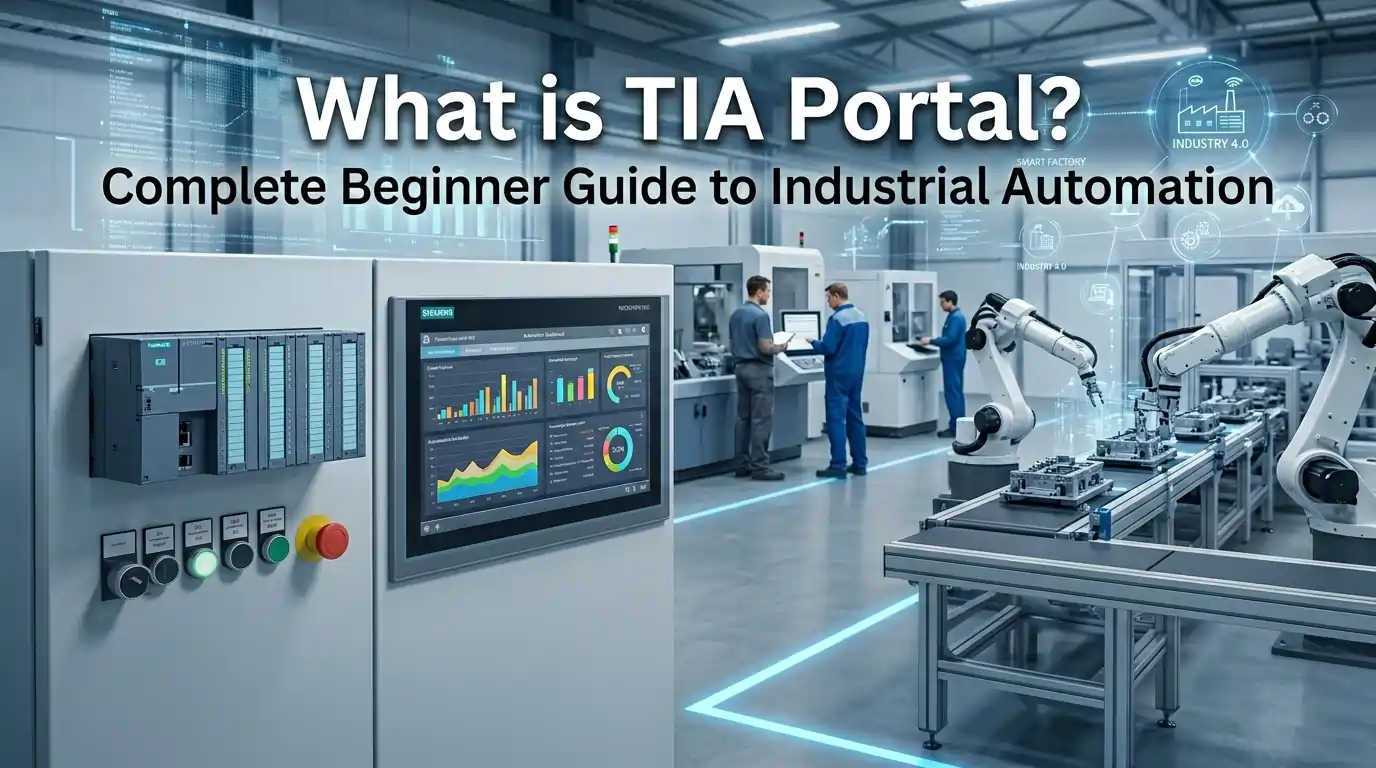
PLC Integration for Old Machines
One of the most effective methods of legacy machine modernization is PLC integration for old machines. PLCs act as the brain of the system. They read signals from sensors, process logic, and send data to higher systems.
Even machines that were never designed for automation can be upgraded using PLC retrofitting. The PLC does not disturb existing machine operations but works alongside them to collect data and improve control.
This approach allows factories to improve machine efficiency and reliability while keeping costs under control.
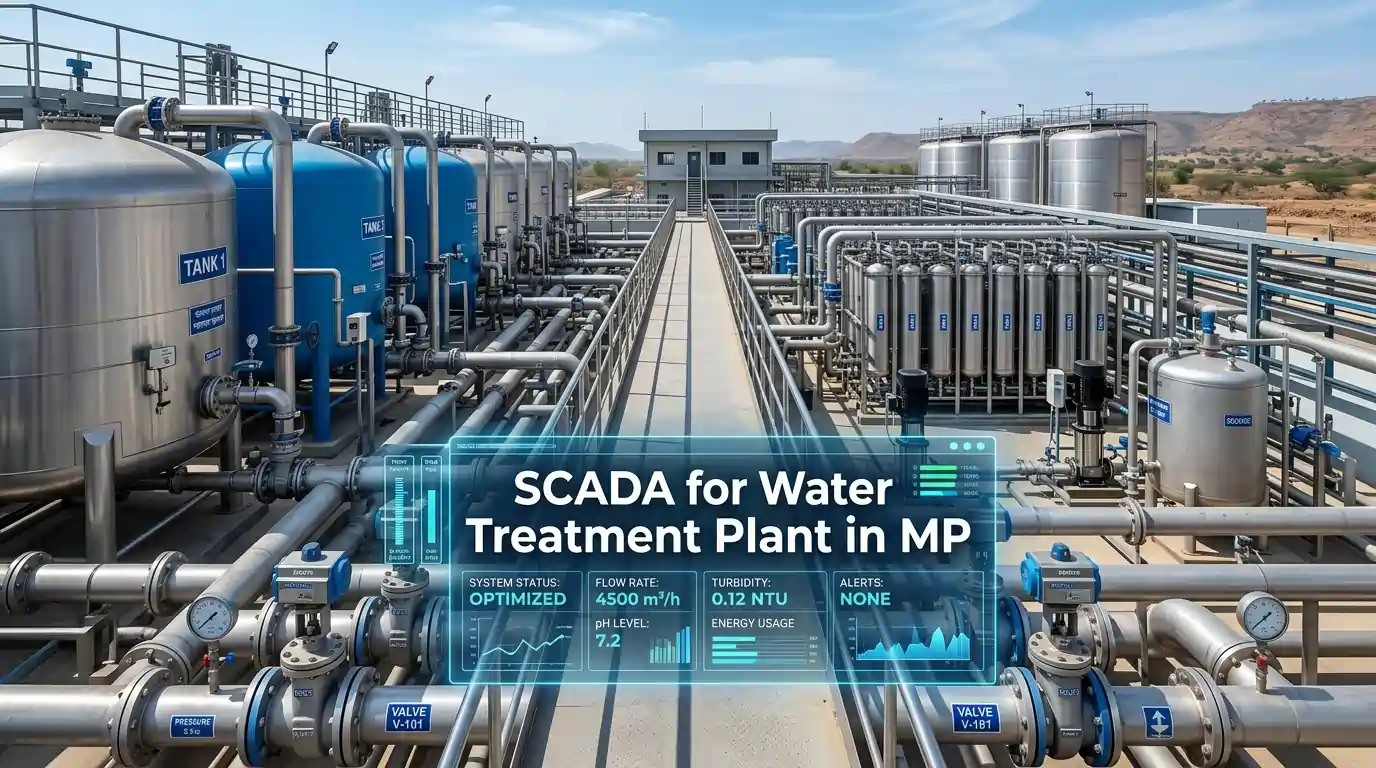
SCADA Integration for Real-Time Monitoring
Once PLCs collect data, the next step is SCADA Integration. SCADA systems provide visual dashboards that show machine performance in real time. Operators can see production counts, alarms, downtime, and trends on a single screen.
With SCADA integration, factory teams gain real-time machine monitoring, which helps them respond faster to issues. Instead of guessing what went wrong, they see the problem immediately and take action.
This visibility plays a major role in reducing downtime in factories.
Sensor Integration and Data Acquisition Systems
Sensor integration for machines is a key part of smart upgrades. Sensors help capture real-world machine behavior that was previously invisible. Combined with a data acquisition system (DAQ), factories can store, analyze, and use this data for improvement.
For example, vibration sensors can detect early signs of bearing failure. Current sensors can show overload conditions. Temperature sensors can prevent overheating. All this supports predictive maintenance for machines, which reduces unexpected breakdowns.
IIoT and Connected Factory Systems
IIoT (Industrial Internet of Things) connects machines, systems, and people. When legacy machines are connected through IIoT platforms, factories move toward connected factory systems.
IIoT enables data from multiple machines to be collected in one place. This data can be used for performance analysis, maintenance planning, and long-term improvement.
This step is critical for factory digital transformation, especially in industries that want scalable and future-ready solutions.
Importance of IoT System Management
Installing IoT devices is not enough. Proper IoT System Management is essential to ensure reliable performance. This includes monitoring device health, managing data flow, setting alarms, and maintaining security.
With good IoT system management, factories can avoid data loss, reduce system failures, and maintain consistent performance. It also ensures that as more machines are added, the system remains stable and easy to manage.
Energy Monitoring and Efficiency Improvement
Energy cost is a major concern for factories. By adding energy monitoring for machines, legacy equipment can become more efficient. Energy meters connected to PLC and SCADA systems show how much power each machine consumes.
This data helps identify energy waste and supports production efficiency improvement. Over time, factories can reduce operating costs and improve automation ROI.
Cost-Effective Automation and ROI Benefits
One of the biggest advantages of upgrading old machines is cost-effective automation. Instead of spending large amounts on new machines, factories invest only in sensors, PLCs, and software.
This approach offers:
- Low-cost Industry 4.0 solution
- Faster return on investment
- Extended machine life
- Better planning and control
Many factories recover their investment within months by reducing downtime and improving productivity.
Real-World Use Cases of Legacy Machine Modernization
In textile industries, old looms are upgraded with sensors to track production and quality. In pump systems, motors are monitored for vibration and energy use. In packaging lines, counters and alarms improve output tracking.
These examples show how upgrade legacy equipment strategies work across industries without disrupting operations.
Step-by-Step Approach to Modernize Legacy Machines
The process usually starts with machine assessment. Engineers study machine signals, electrical panels, and operational needs. Next, suitable sensors and PLCs are selected.
After installation, SCADA dashboards are designed, and data is tested. Operators are trained, and the system is fine-tuned. This structured approach ensures smooth industrial automation solutions deployment.
Challenges and How to Handle Them
Some legacy machines may have wiring issues or limited access points. In such cases, careful engineering is required. Communication compatibility and cybersecurity should also be considered.
With the right expertise, these challenges can be handled without major risk.
Is Legacy Machine Modernization Right for Your Factory?
If your machines are mechanically strong but lack visibility, modernization is the right choice. If downtime, energy cost, and maintenance issues affect production, smart upgrades can help.
For factories aiming for Industry 4.0 upgrade without high investment, legacy machine modernization is a practical and proven path.
Final Thoughts
Smart manufacturing does not always require new machines. With the help of IoT-enabling technologies, PLC integration, SCADA systems, and proper IoT system management, old machines can deliver modern performance.By choosing the right industrial automation solutions, factories can stay competitive, improve efficiency, and prepare for the future – all without replacing the machines they already trust.