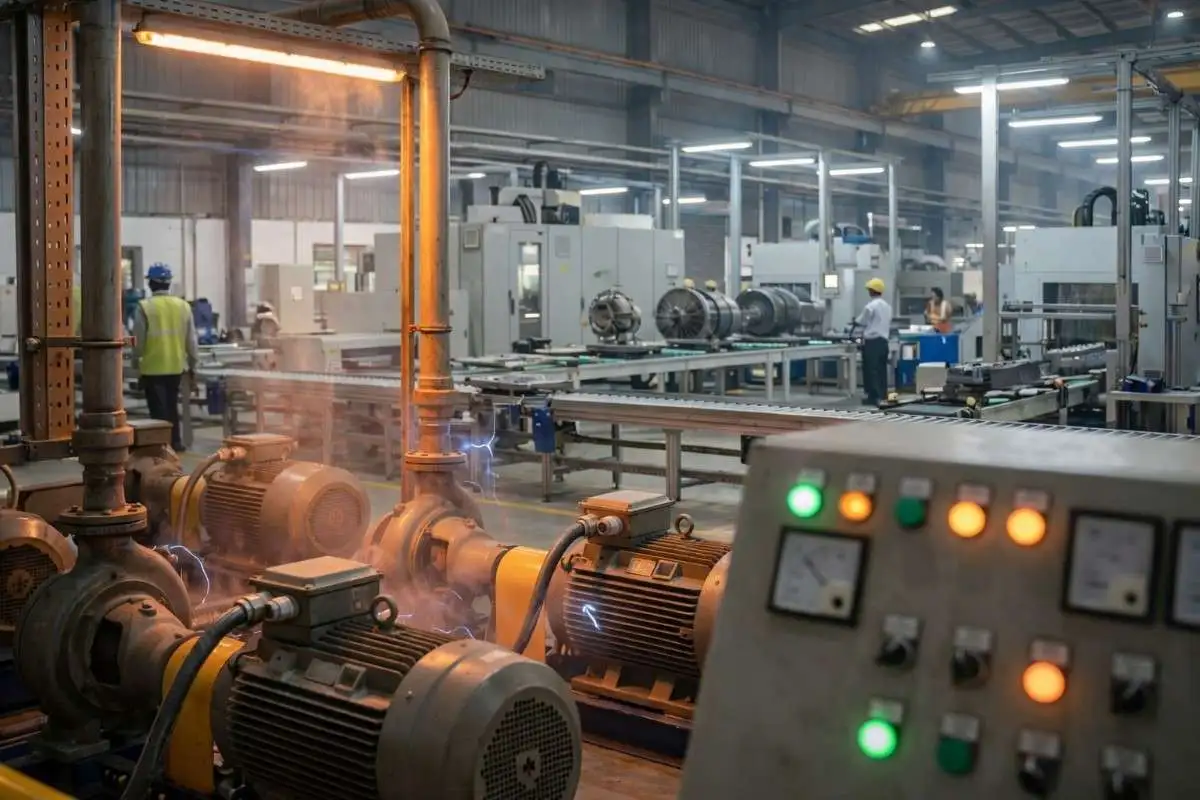
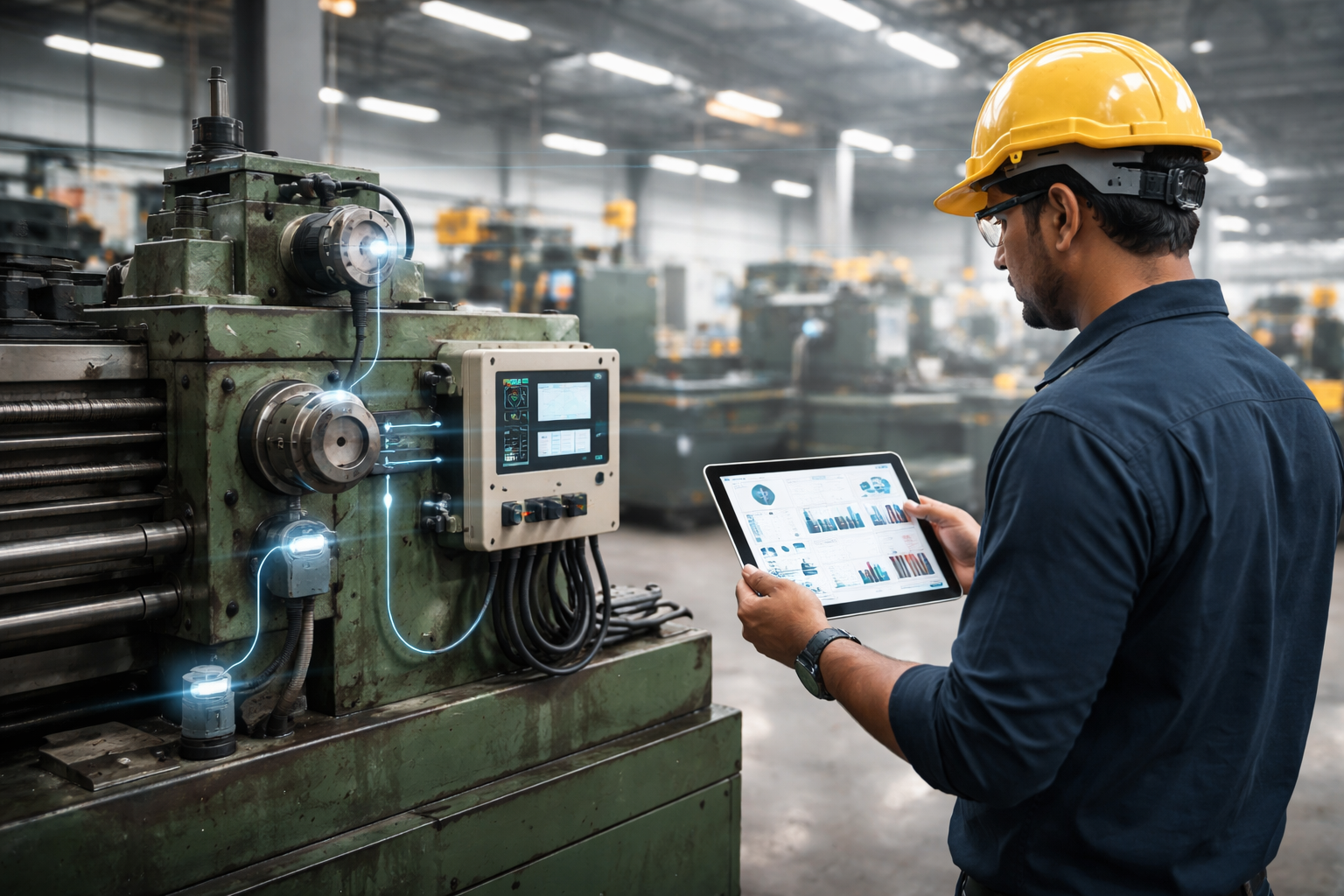
In many factories today, machines are already equipped with sensors that measure temperature, pressure, speed, vibration, power consumption, and many other parameters. However, even after installing sensors, many factory owners and plant managers still struggle to see clear and useful information on their dashboards. This usually happens because there is no proper industrial data flow pipeline connecting the shop floor to decision-makers. Data exists, but it does not flow smoothly, and this gap is where most factories lose the real value of digitalization.
Creating a full Industrial Data Flow Pipeline means building a clear and reliable path where data travels smoothly from sensors to dashboards without delays, errors, or manual work. When done correctly, this pipeline helps factories monitor production in real time, reduce downtime, and make faster and smarter decisions. This blog explains the complete sensor to dashboard data flow in a simple and practical way.
What Is an Industrial Data Flow Pipeline?
An industrial data flow pipeline is a structured system that collects data from machines, processes it, and presents it in a visual format that people can understand and use. It is not just about collecting data, but about converting raw signals into meaningful information.
In manufacturing plants, data does not move directly from sensors to dashboards. It passes through multiple layers such as PLCs, SCADA systems, communication networks, and Manufacturing Information Systems (MIS). Each layer has a specific role. When these layers work together, the factory gets accurate, real-time industrial data monitoring.
Without a proper data pipeline, factories often depend on manual reports, delayed Excel sheets, or incomplete information. This makes it difficult to track performance, identify problems early, and improve efficiency.
Role of Sensors in Industrial Data Collection
Sensors are the starting point of the entire Industrial Data Pipeline Architecture. They capture physical values from machines and processes and convert them into electrical signals. These signals represent the real condition of the machine or process at that moment.
Factories use different types of sensors depending on their needs, such as:
- Temperature sensors for motors, furnaces, and bearings
- Pressure sensors for hydraulic and pneumatic systems
- Proximity and limit sensors for position detection
- Energy meters for power and electricity monitoring
Although sensors collect important data, this data is still raw. It cannot be directly shown on a dashboard or used for decision-making. It needs processing, validation, and context, which is why sensors alone are not enough.
How PLCs and Controllers Process Sensor Data
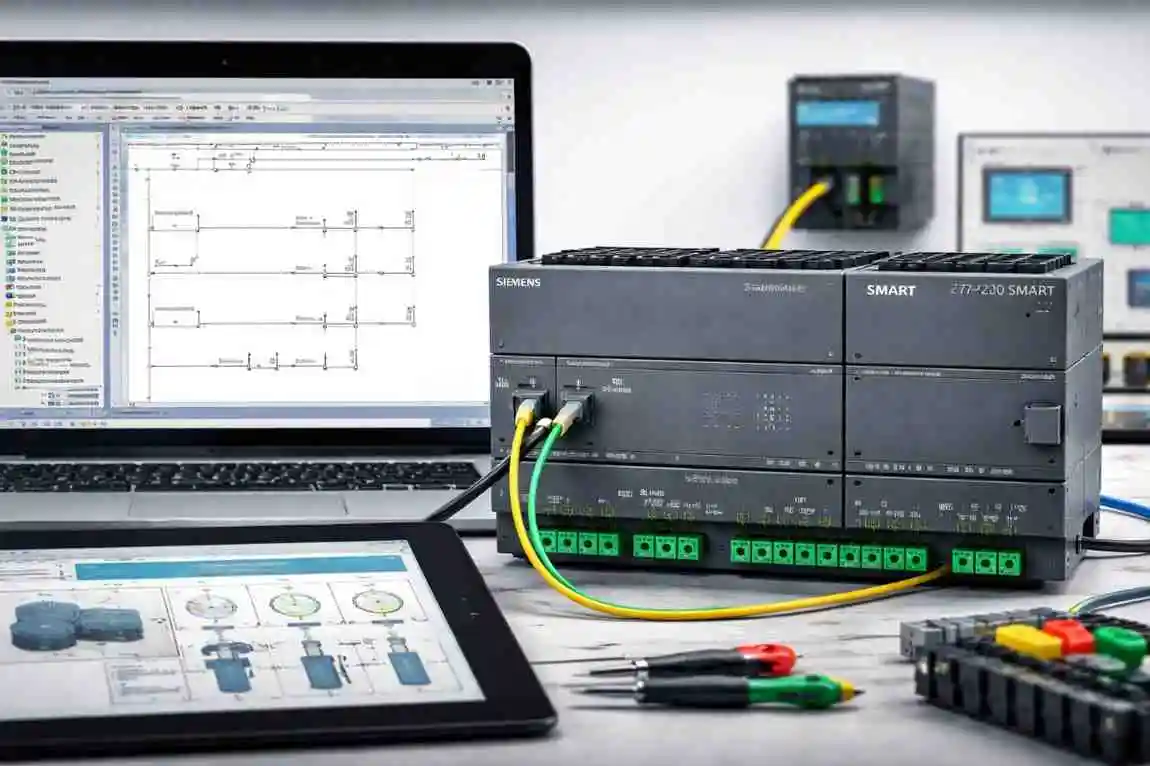
The next step in the Sensor to Dashboard Data Flow is the PLC or industrial controller. PLCs act as the brain of the system. They receive signals from sensors and apply logic to decide what should happen next.
PLCs perform several important functions in the PLC to dashboard data integration process. They scale raw sensor values into meaningful units, filter noise, and apply control logic. For example, a PLC converts a voltage signal into temperature in degrees or pressure in bar.
PLCs also decide which data is important and how often it should be sent forward. This prevents unnecessary data overload and ensures stable communication. Without PLCs, dashboards would receive unreliable and confusing data.
Data Communication from PLC to SCADA or Gateway
Once the PLC processes the data, it needs to be communicated to higher-level systems. This communication layer is a critical part of the industrial data flow pipeline. If communication is slow or unstable, even correct data becomes useless.
Data is usually sent from PLCs to SCADA systems or industrial gateways using standard protocols such as Modbus, OPC UA, or Ethernet-based communication. These protocols ensure that data flows in a secure and structured way.
At this stage, common problems appear in many factories. Network issues, old cables, or poorly configured systems can cause data delays or losses. These issues break the real-time nature of the system and reduce trust in dashboards. A reliable communication design is essential for accurate factory data flow architecture.
From SCADA to MIS and Dashboards
SCADA systems play a major role in real-time data collection and monitoring. They collect data from multiple PLCs, display live values, and generate alarms when something goes wrong. However, SCADA is mainly designed for operators, not management.
This is where Manufacturing Information Systems (MIS) come into the picture. MIS takes data from SCADA and organizes it into reports, trends, and dashboards that management can easily understand. It converts technical data into business insights.
Dashboards created through MIS show key performance indicators such as production output, downtime, energy usage, and efficiency. This step completes the Manufacturing Data Pipeline, turning machine data into decision-ready information.
End-to-End Data Flow Architecture: Sensors to Dashboard
A well-designed industrial data pipeline for manufacturing plants follows a clear and structured flow. Each stage adds value to the data.
Typical end-to-end data flow looks like this:
- Sensors capture physical data from machines
- PLCs process, scale, and validate sensor signals
- Communication networks transfer data reliably
- SCADA systems collect and monitor real-time values
- MIS stores, analyzes, and structures data
- Dashboards visualize insights for decision-makers
This structured approach ensures that data remains accurate, timely, and meaningful throughout its journey from the shop floor to management.
Why Real-Time Data Flow Matters for Factories
Real-time data flow is no longer a luxury. It has become a necessity for modern manufacturing. When data reaches dashboards instantly, factories can respond faster to problems and avoid losses.
With real-time industrial data monitoring, managers can see what is happening right now, not what happened yesterday. This improves production visibility, reduces downtime, and supports continuous improvement.
Factories with a strong Sensor to Dashboard Solution for Factories also gain better control over quality, energy consumption, and maintenance planning. Over time, this leads to lower costs and higher profitability.
Common Challenges in Building an Industrial Data Pipeline
Many factories face challenges while building a full industrial data flow pipeline. One common issue is the presence of legacy machines that were not designed for data connectivity. Another challenge is manual data entry, which introduces errors and delays.
Network reliability is also a major concern. Poor network design can lead to data loss and communication failures. In some cases, factories collect too much data without a clear purpose, making dashboards confusing instead of helpful.
These challenges do not mean automation is impossible. They simply highlight the need for proper planning and expert system design.
How a Well-Designed Data Flow Pipeline Solves These Problems
A structured industrial data pipeline architecture addresses these challenges step by step. Legacy machines can be connected using external sensors and gateways. Data collection can be automated to remove manual effort and errors.
By defining clear data priorities, the system sends only useful information to dashboards. Centralized monitoring ensures consistency across departments and plants. Over time, factories build trust in their data and rely on dashboards for daily decisions.
A scalable design also allows factories to add more machines, sensors, or plants without redesigning the entire system.
When Should a Factory Invest in a Sensor-to-Dashboard System?
Not every factory starts with a full data pipeline on day one. However, certain signs indicate the right time to invest in a real-time production data dashboard system.
Factories should consider implementing such systems when they face frequent downtime, lack production visibility, or rely heavily on manual reporting. Growing operations, multiple machines, and increasing competition also make data-driven decisions essential.
Investing early helps factories stay competitive and prepares them for future digital transformation.
Conclusion
Creating a full data flow pipeline from sensors to dashboard is about more than technology. It is about building visibility, control, and confidence in factory operations. When data flows smoothly from the shop floor to management, decisions become faster, smarter, and more accurate.A well-designed Industrial Data Flow Pipeline connects sensors, PLCs, SCADA, and MIS into a single, reliable system. This structure turns raw machine signals into clear insights that drive productivity and growth. For factories aiming to move toward smarter manufacturing, a strong sensor-to-dashboard data flow is the foundation.